October 30, 2026
Periodontal Treatment for Bleeding While Brushing or Flossing
By @jaidenlyxh185

A little blood in the sink is easy to dismiss. Many people do. They assume they brushed too hard, switched floss brands, or irritated the gums by accident. In practice, bleeding during brushing or flossing is one of the earliest and most reliable signs that the gums are inflamed. Healthy gums do not usually bleed from routine cleaning. When they do, it deserves attention.
That does not mean every spot of blood signals advanced disease. It does mean the tissue is reacting to plaque, tartar, trauma, hormonal shifts, medication effects, or a mix of factors. The challenge is that gums can stay only mildly sore while the disease process quietly advances. I have seen patients come in saying, “It only bleeds a little,” only to find gum pockets, tartar below the gumline, and early bone loss on X-rays. I have also seen the opposite, a patient with temporary bleeding from overzealous flossing and otherwise healthy gums. Judgment matters, and that is where proper periodontal treatment comes in.
Why bleeding gums matter more than people think
The gums are not passive tissue. They form a protective seal around the teeth. When plaque builds up along that seal, bacteria trigger inflammation. At first, this stage is gingivitis. The gums look puffy, shiny, or darker red than usual. They may bleed with brushing, flossing, or even biting into a crisp apple. Gingivitis is common and, importantly, reversible with timely care.
The problem starts when that inflammation remains in place long enough to affect the deeper structures. Once the ligament and bone supporting the teeth become involved, the condition moves into periodontitis. At that point, periodontal treatment is not just about stopping bleeding. It is about preserving support, controlling infection, and reducing the risk of tooth mobility and tooth loss.
This is where people often get caught off guard. Pain is not a reliable guide. Gum disease can progress with very little discomfort. A patient may notice blood, occasional bad breath, or food packing between teeth, but no major pain. By the time chewing feels different or teeth start to shift, the damage is usually more established.
What bleeding while brushing or flossing usually means
In day-to-day dental practice, the most common cause of bleeding gums is plaque-induced inflammation. Plaque is a soft biofilm that collects around teeth constantly. If it is not removed thoroughly, it matures, thickens, and irritates the gums. Over time, some of it hardens into tartar, also called calculus. Once tartar forms, regular brushing cannot remove it. That rough surface then holds even more plaque against the gumline.
Still, not every case is identical. Bleeding can also be influenced by aggressive brushing, snapping floss into the gums, dry mouth, smoking history, poorly fitting dental work, mouth breathing, pregnancy, diabetes, certain blood pressure medications, blood thinners, and immune-related conditions. Orthodontic appliances can make cleaning harder, which raises the risk of inflamed gums around brackets and wires. People who have not had a professional cleaning in a year or more often show a familiar pattern: generalized bleeding, swollen margins, and deposits tucked along the lower front teeth and upper molars.
One practical detail matters here. If your gums bleed because they are inflamed, stopping flossing usually makes things worse, not better. Patients commonly avoid the spots that bleed, which allows plaque to sit even longer. The tissue gets more inflamed, then bleeds more the next time it is touched. It becomes a self-reinforcing cycle.
How a dentist or periodontist evaluates the problem
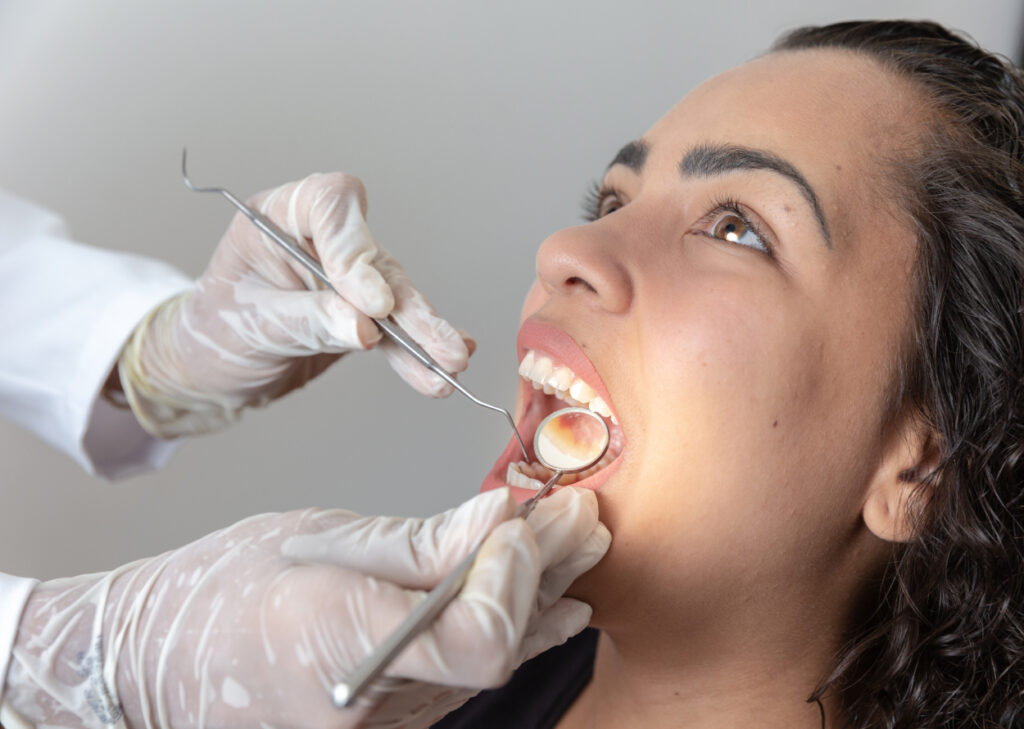
A proper gum evaluation is more than a quick look. The clinician checks the color and contour of the gums, looks for plaque and tartar accumulation, and measures the depth of the spaces between tooth and gum. Those measurements are called periodontal pocket depths. In a healthy mouth, the gum attachment is snug and the pockets are shallow. As disease progresses, those measurements may deepen, and bleeding on probing becomes more common.
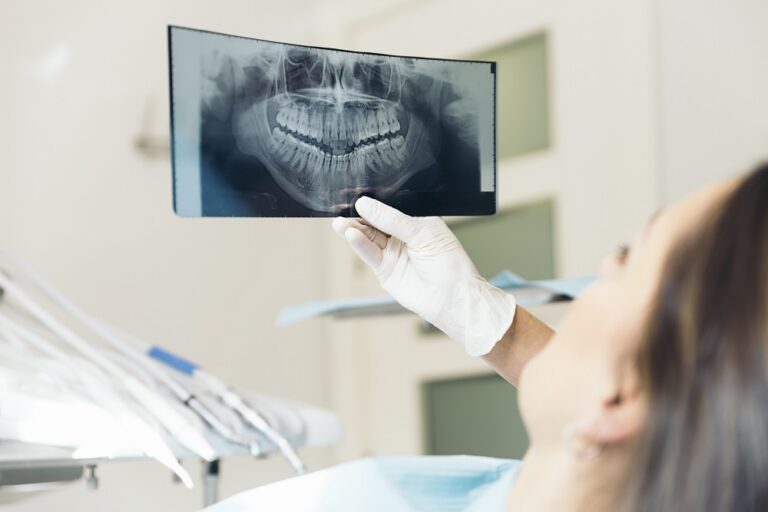
X-rays are often part of the picture because they reveal the level of supporting bone. They also help identify tartar below the gumline and other problems that can mimic or complicate gum disease, such as cavities near the roots, defective fillings, or food traps from open contacts between teeth.
A good clinician also looks at risk factors, because treatment is never one-size-fits-all. Someone with well-controlled gingivitis and excellent home care may need a straightforward cleaning and a short interval recheck. Someone with diabetes, heavy tartar, deeper pockets, and smoking history may need more intensive periodontal treatment and closer maintenance afterward.
The difference between a regular cleaning and periodontal treatment
This is one of the most misunderstood areas in dentistry. Many patients assume any cleaning will fix bleeding gums. Sometimes it will, but not always.
A routine prophylaxis, often called a regular cleaning, is intended for mouths without significant periodontal disease. It removes plaque and tartar above the gumline and addresses light buildup at the margins. It is preventive care.
Periodontal treatment goes deeper, both literally and clinically. It is used when there are signs of active gum disease, deeper pocketing, heavier deposits below the gumline, or attachment loss. The goal is to disrupt the bacterial environment that keeps the gums inflamed and to create conditions where the tissue can heal.
When a patient says, “I had my cleaning, but my gums still bleed,” it often means one of two things. Either home care has not improved enough between visits, or the issue needed periodontal treatment rather than a standard cleaning from the start.
What periodontal treatment for bleeding gums usually involves
For early gingivitis, treatment may begin with a professional cleaning combined with improved technique at home. If bleeding is generalized but pocketing is minimal, that may be enough. The gums often respond within a week or two, though tissue firmness and contour can continue improving over several weeks.
When the inflammation extends below the gumline, scaling and root planing is a common next step. Many people know this as a “deep cleaning,” though that phrase can be misleading because it sounds cosmetic rather than therapeutic. Scaling removes tartar and bacterial deposits from tooth surfaces above and below the gums. Root planing smooths the root surface so the tissue can reattach more favorably and bacteria have fewer irregular surfaces to cling to.
This treatment is often performed by section, sometimes numbing one half or one quarter of the mouth at a visit. Whether local anesthesia is needed depends on sensitivity, the amount of buildup, and the depth of treatment. In mild cases, patients may be surprised by how manageable it feels. In more advanced cases, especially where roots are exposed or deposits are dense, numbing makes the visit far more comfortable.
Adjunctive treatments are sometimes used. Antimicrobial rinses may help in selected cases. Localized antibiotics placed into deeper pockets can be useful for persistent sites, though they are not a substitute for good instrumentation and home care. If the gums have receded or pocketing remains despite thorough nonsurgical therapy, referral to a periodontist may be appropriate for more advanced options.
What healing looks like after treatment
Healing is not always dramatic overnight. Most patients notice less bleeding fairly quickly if the inflammation was the main issue and plaque removal is consistent afterward. The gums may also look less swollen and feel firmer. Breath often improves. Tenderness while flossing usually decreases as the tissue becomes healthier.
That said, gums can bleed a bit during the early phase of renewed cleaning, especially if someone is restarting flossing after months of avoiding it. This can confuse people. They interpret temporary bleeding as proof that flossing is harmful. More often, it is the inflamed tissue reacting while it begins to recover. If the technique is gentle and consistent, bleeding should trend downward, not upward.
At a follow-up periodontal evaluation, the dentist or hygienist will check whether pocket depths have improved, whether bleeding on probing has dropped, and whether areas of inflammation remain isolated or generalized. This re-evaluation is a critical part of periodontal treatment. Without it, there is no reliable way to judge response.
When the cause is not just plaque
There are cases where bleeding persists despite reasonable cleaning habits. That is when the broader medical and mechanical picture becomes important.
Pregnancy and hormonal changes can make gums more reactive, even with small amounts of plaque. Certain medications, including some calcium channel blockers, anticonvulsants, and immunosuppressants, can contribute to gum enlargement or alter tissue response. Dry mouth changes the oral environment in ways that make plaque control harder. Diabetes, especially if poorly controlled, is strongly associated with more severe periodontal disease and slower healing.
Mechanical issues matter too. A crown margin that traps plaque, a filling that overhangs, crowded lower front teeth, or a bridge that is difficult to clean can keep one area chronically inflamed. In those situations, periodontal treatment alone may help but not fully solve the problem until the local irritant is corrected.
I once saw a patient who had meticulous habits and still had repeated bleeding around one back tooth. The culprit was not neglect. It was an open margin under an old restoration that was catching plaque in a spot no brush or floss could truly keep stable. Once the restoration was replaced and the area was cleaned properly, the gum finally settled.
Signs that call for prompt periodontal evaluation
- bleeding that continues for more than a week or two despite gentle daily brushing and flossing
- gums that look swollen, puffy, or darker red than usual
- persistent bad breath or a bad taste that returns soon after brushing
- gum recession, teeth that appear longer, or sensitivity near the roots
- loose teeth, shifting teeth, or discomfort when chewing
A single day of minor bleeding after vigorous flossing is different from a pattern. Duration and repetition tell the real story.
What patients can do at home without making things worse
Home care matters as much as chairside treatment. Not because the patient is expected to fix periodontal disease alone, but because professional care and daily plaque disruption have to work together. Even the best deep cleaning cannot protect gums for months if plaque returns undisturbed every day.
The quality of technique often matters more than force. A soft-bristled toothbrush angled toward the gumline usually outperforms scrubbing with a https://jasperaqfe985.wpsuo.com/periodontal-treatment-for-persistent-gum-swelling-and-redness hard brush. Floss should slide gently along the side of each tooth and curve under the gum edge rather than snap straight down. Interdental brushes can be excellent for larger spaces, bridgework, and some orthodontic areas.
These habits make the biggest difference:
- brush twice daily for a full two minutes with a soft brush and careful gumline contact
- clean between the teeth every day, using floss or interdental cleaners that match the space
- use an antibacterial or fluoride rinse if your dentist recommends it for your specific situation
- replace worn brush heads regularly, because splayed bristles clean poorly and can irritate tissue
- keep periodontal maintenance and re-evaluation visits, especially if you have had deep cleanings before
People sometimes ask whether a water flosser can replace string floss. The honest answer is, sometimes partly, but not universally. A water flosser is helpful for many patients, especially those with braces, implants, bridges, or dexterity issues. It can reduce bleeding and flush shallow areas well. Still, it may not remove sticky plaque from every tooth surface as effectively as direct contact cleaning. Often the best answer is a combination tailored to the person, not loyalty to one tool.
What happens if treatment is delayed
When gums bleed for months or years, the issue usually gets harder and more expensive to manage. Tartar thickens below the gums. Pockets can deepen. Bone loss can progress slowly enough to go unnoticed until support is meaningfully reduced. Once support is lost, the clinical goal shifts. Instead of simply reversing inflammation, treatment may focus on stabilizing a condition that cannot be fully undone.
This does not mean every person with bleeding gums is headed for tooth loss. It does mean delay carries a cost. I have seen patients who needed only modest nonsurgical periodontal treatment a year earlier return needing extensive scaling, possible gum surgery, or extraction planning for one hopeless tooth. The mouth gives warnings, but the warnings are often subtle.
When a periodontist becomes part of the picture
General dentists manage a large share of gum disease successfully, especially mild to moderate cases. A periodontist is often involved when the disease is more advanced, when deep isolated pockets persist after treatment, when there is significant recession, or when surgery might improve long-term stability.
Surgical periodontal treatment can include flap procedures for access to deep deposits, regenerative procedures in selected bone defects, and soft tissue grafting to address recession or root exposure. These are not first-line treatments for every bleeding gum case, and patients sometimes worry unnecessarily when referred. Referral often means the dentist wants a specialist’s judgment on preservation, not that the situation is beyond help.
The smoking factor that changes everything
Smoking deserves separate mention because it changes the way gum disease behaves. Smokers do not always show the same dramatic redness or obvious bleeding, which can create a false sense of security. Nicotine constricts blood vessels, so the gums may look less inflamed on the surface even while deeper damage is occurring. Healing after periodontal treatment is also less predictable in smokers.
Former smokers often notice more obvious bleeding after quitting, which can be unsettling. In many cases, that reflects a return of more normal blood flow and tissue response, not sudden worsening. It still needs evaluation, but it is one reason the gums do not always tell a simple story at first glance.
Children, teens, and adults do not present the same way
Bleeding gums in children and teens is often tied to plaque buildup around erupting teeth, braces, and inconsistent home care. Most of these cases are gingivitis and respond well to better cleaning and professional removal of deposits. Adults, especially from their thirties onward, are more likely to have attachment loss and bone changes that require true periodontal treatment.
Age alone does not diagnose anything, but it shapes probability. A teenager with puffy gums around orthodontic brackets needs a different conversation than a 52-year-old with recession, mobility, and years of irregular dental visits.
Questions worth asking at your appointment
Patients often leave dental visits remembering only that they were told they “need a deep cleaning” or that their gums “are inflamed.” Better questions lead to better understanding. Ask whether the bleeding is generalized or localized. Ask if pocket depths were measured and whether bone loss is present. Ask whether the treatment recommended is preventive cleaning or periodontal therapy, and why. Ask when the gums should be rechecked and what result would count as improvement.
Those details matter because they turn vague advice into a real treatment plan. They also help patients understand that periodontal treatment is not a one-time event. For many people, especially those with a history of periodontitis, maintenance intervals of three to four months are more realistic than waiting six months between cleanings.
The practical bottom line
Bleeding while brushing or flossing is common, but it is not normal in a healthy mouth. Sometimes the fix is simple. Sometimes it is the first visible sign of a deeper periodontal problem. The only reliable way to tell the difference is a proper exam with gum measurements, a review of home care, and, when indicated, imaging.
The best outcomes usually come from early intervention. When periodontal treatment starts before significant support is lost, gums often respond well, bleeding drops, and the mouth becomes easier to maintain. When people wait until there is pain, looseness, or obvious recession, the path is usually longer.
If your gums bleed regularly, do not treat it as background noise. It is a clinical sign, and in many cases an early, reversible one. That is exactly the stage where timely periodontal treatment can make the biggest difference.
Avra Dental
Address: 1708 S Victoria Ave B, Ventura, CA 93003
Phone number: (805) 941-1001
FAQ About Periodontal Treatment
Can a dentist get rid of periodontal disease?
A dentist or gum specialist (periodontist) cannot fully cure or reverse advanced periodontal disease (periodontitis), but they can successfully stop its progression and manage the infection.
Is periodontitis very serious?
Yes, periodontitis is a very serious, advanced form of gum disease that destroys the bone and tissues supporting your teeth.
How is stage 2 periodontal disease treated?
Stage 2 periodontal disease (early to moderate periodontitis) is primarily treated with non-surgical deep cleaning procedures like scaling and root planing to remove bacteria and tartar below the gumline.
❧